Person
Pierre-Charles Villeneuve
Commander-in-chief of the Combined Fleet
Life: 1763–1806
The admiral who read the enemy's method correctly and could not convert that reading into fleet movement. He did not lose on information.
The French admiral who led the Combined Fleet. He had worked out in advance that the British would not form a regular line but concentrate on part of his force, and told his captains to engage on their own judgment rather than wait for signals from the flagship. But the long blockade had cost his crews their sea training, the officer corps was thin after the Revolution, and French and Spanish practice did not match: he did not have a fleet that could execute the instruction. Prodded by the emperor and threatened with replacement, he sailed, and was taken prisoner. His was a defeat in which the reading was right and the organisation could not act on it.
Strategic signature — read it right, could not move it
Villeneuve was not incompetent. He had worked out in advance how the British would come: not in a regular line, but concentrating on part of his fleet. He said so, and told his captains to engage on their own judgment rather than wait for signals from the flagship14.
The problem was that he did not have a fleet that could execute the instruction. The long blockade had starved his crews of sea training, the revolutionary purges had thinned the officer corps, and the Franco-Spanish alliance did not share a language or a practice. A correct diagnosis is not a prescription unless an organisation can carry it out.
Recurring patterns
Read the opponent accurately
He named the enemy's method before it happened. He was not the one losing on information.
Cannot price in his own execution gap
He ordered tactics that matched his reading, without the training or the command structure to perform them.
Pushed to sea by politics
Under the emperor's prodding and the hint of dismissal he sailed on poor odds. His freedom to decide was narrow from the start.
Strengths and weaknesses
Could read the enemy's design before it arrived.
Reading it and making an organisation act on it are different abilities. He had only the first.
Held a mismatched fleet together and took it out.
The option of not going out had been closed politically. There was no structure to absorb pressure from above.
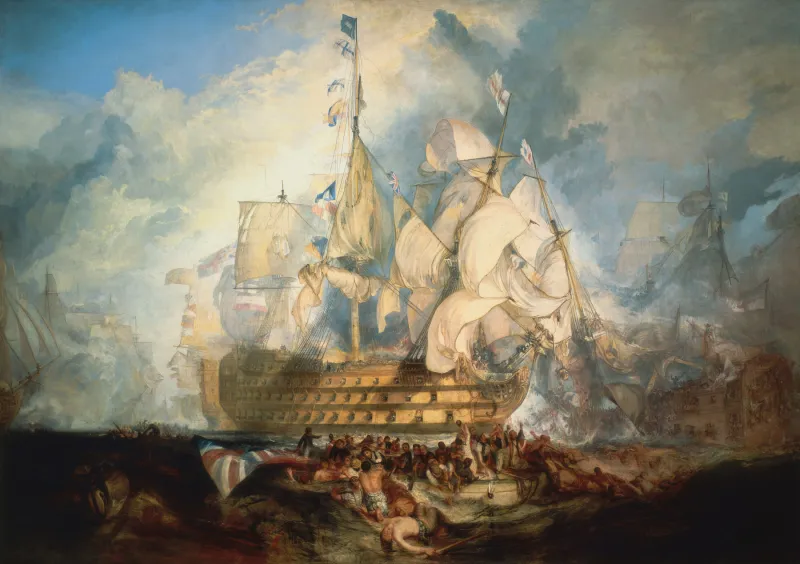
Where the signature showed — Trafalgar
His was not a defeat of misreading. It was a defeat in which the reading was right and could not be converted into fleet movement. Which is why this case should frighten the side that has the information.
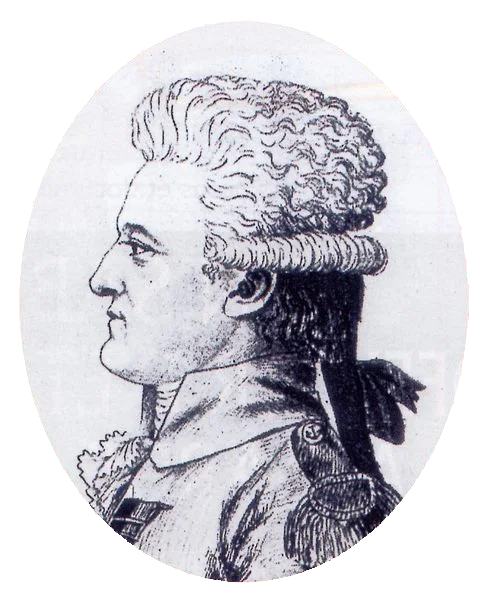
Admiral Villeneuve (1763–1806), contemporary portrait. Artist unknown. Public Domain, via Wikimedia Commons
Appears in