
Cases
Case library
A library of decisive cases dissected as structure — from ancient battles to modern rivalries, read on two layers: the surface events and the decision design beneath.
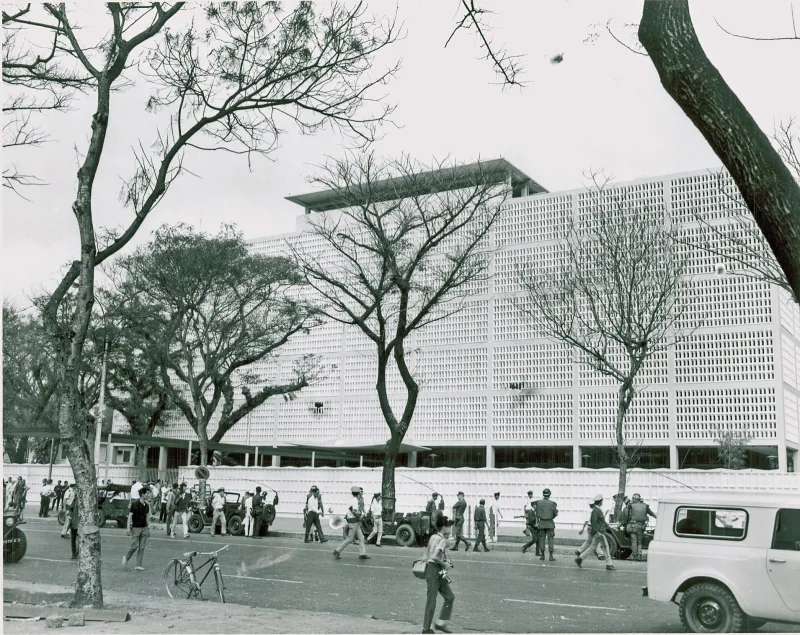
The people who rule on winning are not the people on the field. Mistake who they are and you can win and still lose.
Pattern: a design of the verdict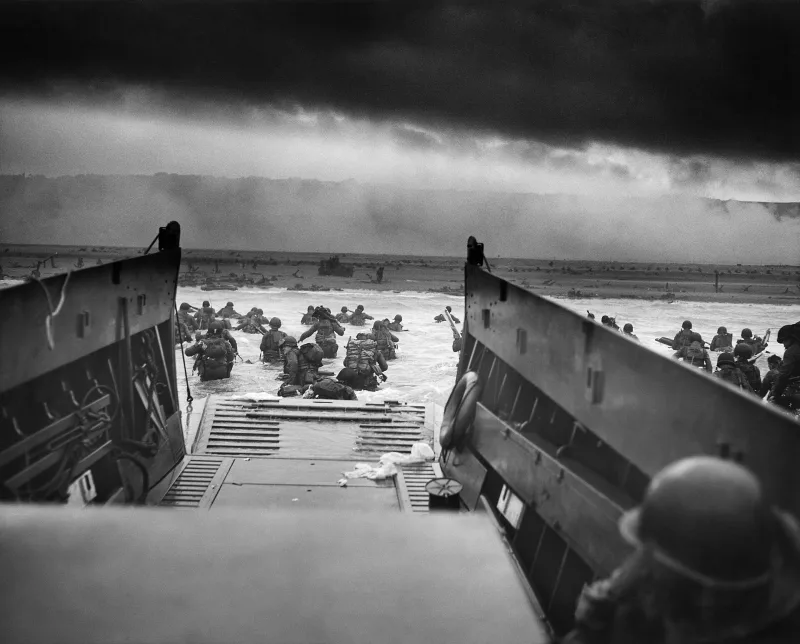
Confirm what the enemy already believes, and the real thing will look like the fake. That is the design of deception.
Pattern: a design of deception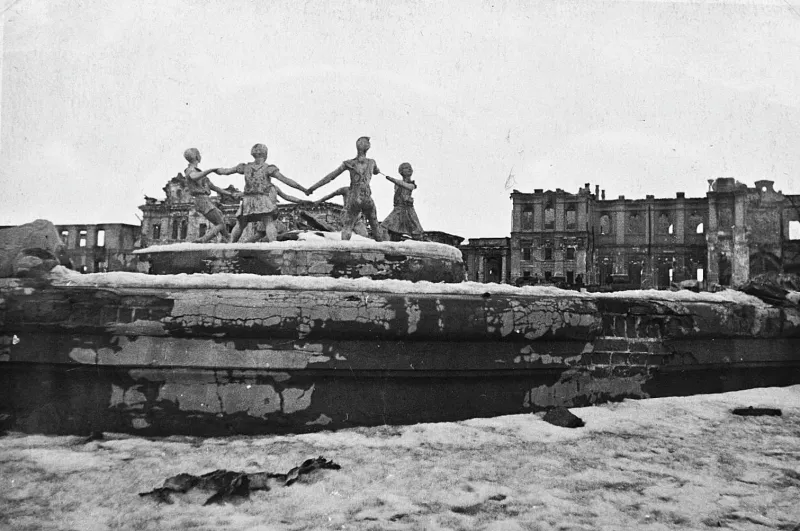
What won it was not tenacity in the streets but a design that fixed the enemy's best troops where their advantages did not work and decided the matter at the allied-held flank he was not holding himself.
Pattern: a design of attachment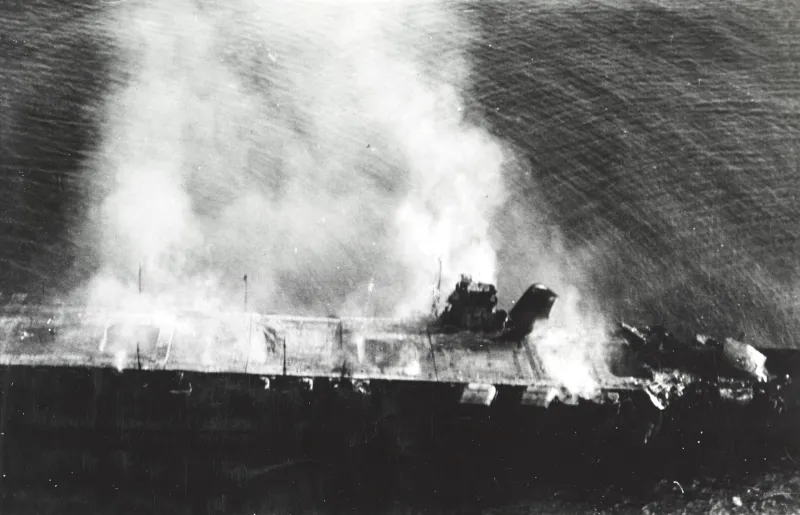
The battle in which an intelligence advantage was converted into a simple operational fact: the Japanese carriers never got the unbroken time they needed to launch. Why the torpedo squadrons that scored nothing mattered most.
Pattern: a design of time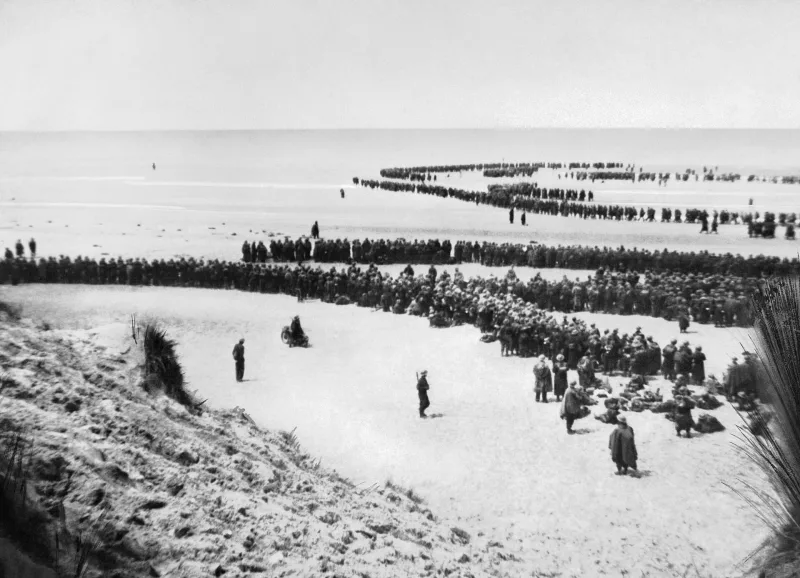
When losing, abandon what can be remade and carry home what cannot. That is a design of what to lose.
Pattern: a design of what to lose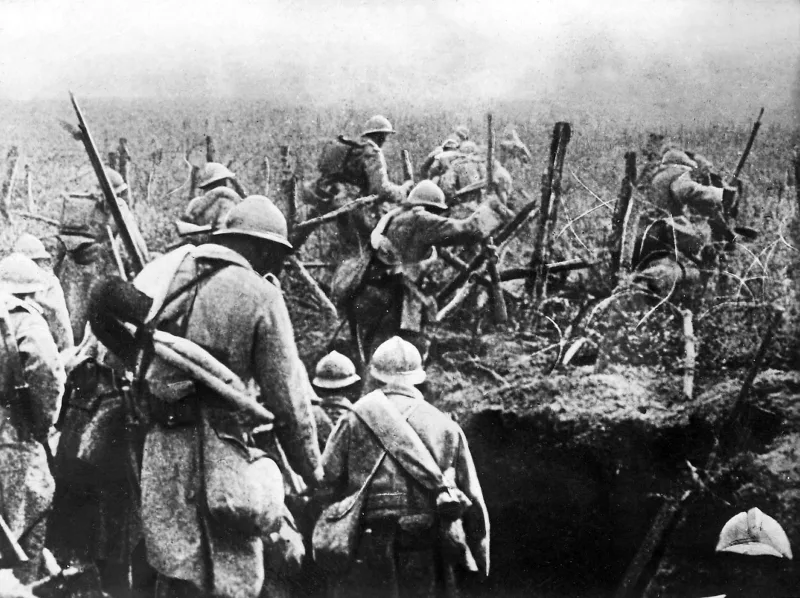
Make consuming the other side the objective and you go into the same machine. A design with no written way to stop eats its designer first.
Pattern: a design of attrition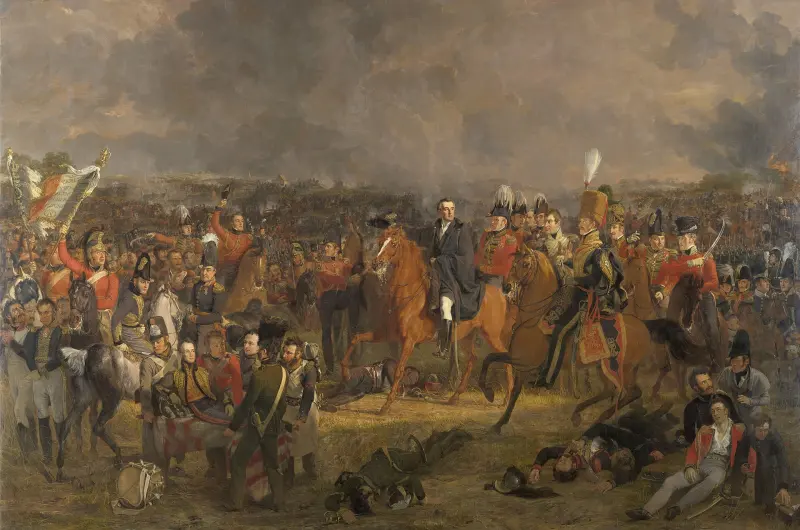
What decided it was not the tactics on the field but which side's second army had fallen back, the day before, in a direction that allowed it to join.
Pattern: a design of convergence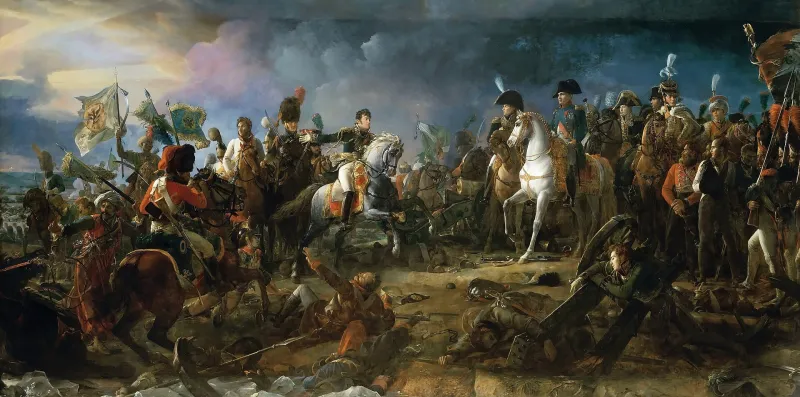
The reason the outnumbered Napoleon won was not a brilliant central breakthrough, but a design that made the enemy give up the centre.
Pattern: a design of space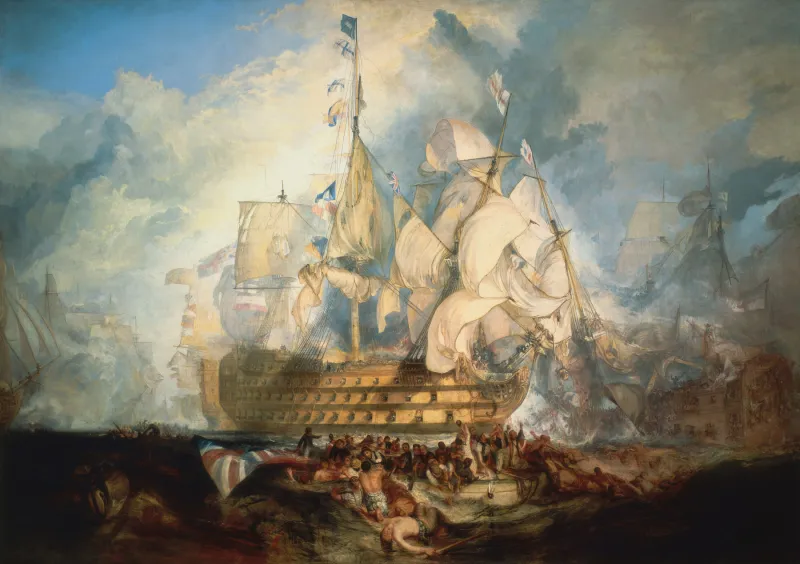
The outnumbered British fleet won without losing a ship not because of the two-column charge but because of a design that assumed the chain of command would break, and distributed intent and a default beforehand.
Pattern: a design of command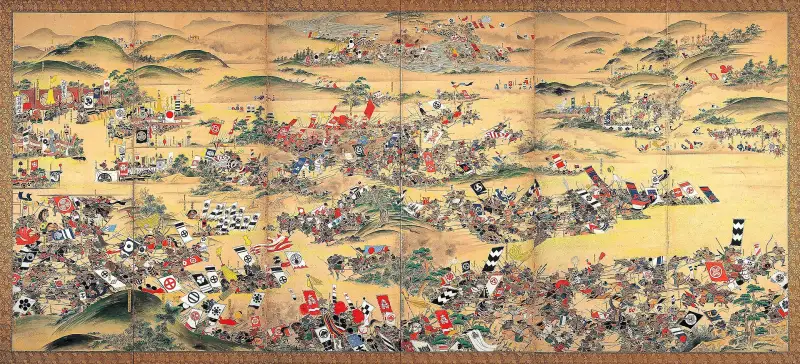
A design of defection: before the fighting, put part of the enemy's strength into the state of not moving. The number to count was never the headcount.
Pattern: a design of defection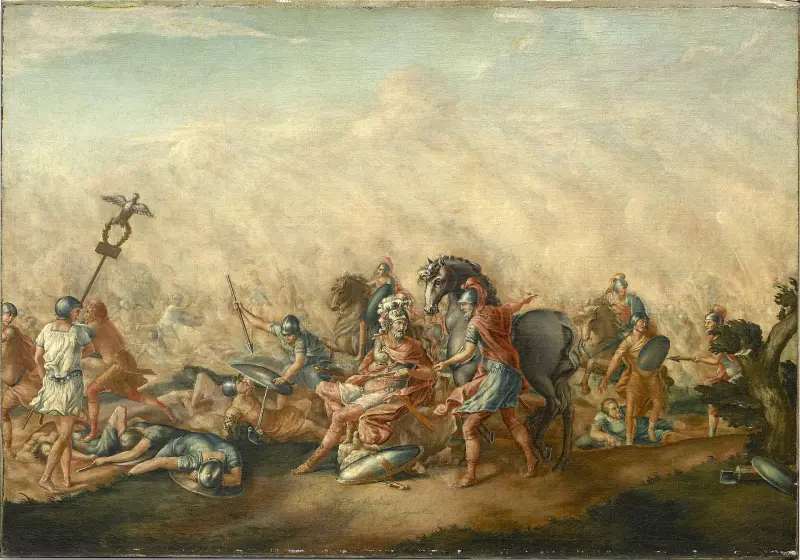
The reason a Roman army nearly twice the size was annihilated was not the shape of a double envelopment, but a design that flipped Rome's packed mass and momentum into an immobile weakness.
Pattern: absorbing momentum
A design of supply: replace the town with the line the town is corking as your object, and give up your own supply line for a while to reach it.
Pattern: a design of supply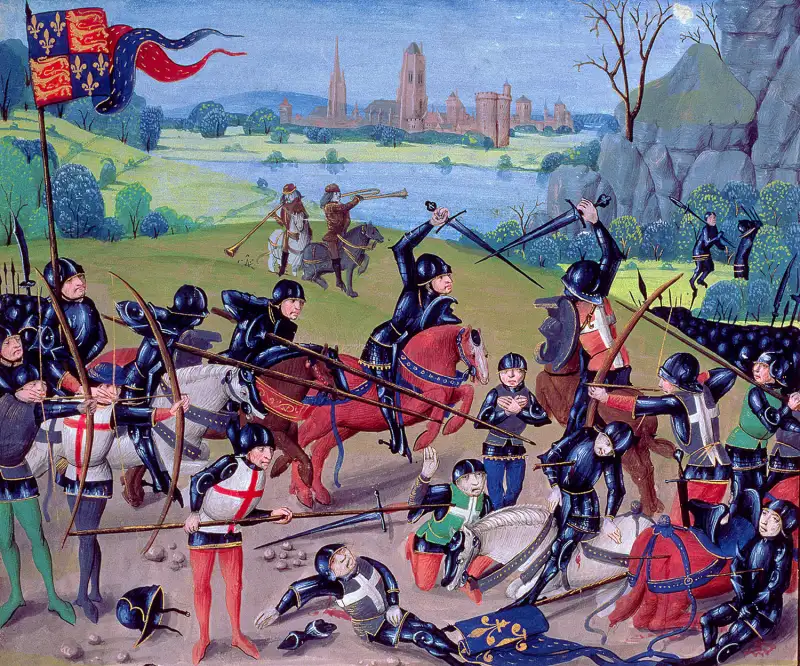
What won it was not the penetrating power of the longbow but a design that limited the field to a width in which numbers could not deploy, and made the enemy walk into it.
Pattern: a design of frontage