Person
Juan Pujol García (GARBO)
British double agent
Life: 1912–1988
The double agent who ran twenty-seven imaginary people and was decorated by both sides for the same work.
A former poultry farmer from Barcelona who hated the Nazis, was turned down by the British, and so sold himself to the Germans, filing reports from a Britain he had never visited. Once the British took him on he ran twenty-seven imaginary sub-agents, sending a fabricated order of battle in 315 letters and over 500 wireless messages. Days after D-Day he reported that Normandy was a diversion. For the same work Germany gave him the Iron Cross and Britain the MBE.
Strategic signature — to be believed, first be right
Juan Pujol was not a professional intelligence officer. He was a former poultry farmer from Barcelona who hated the Nazis and was turned down by the British. So he sold himself to the Germans instead and, sitting in Lisbon, began filing reports from a Britain he had never seen — assembled from guidebooks, films and magazines. He was believed well enough that the British then took him on.
The 27 sub-agents he ran were all imaginary. There were 315 letters, and over 500 wireless messages between January 1944 and D-Day5. The work was not the volume of the lie but its consistency.
Recurring patterns
Send the truth too late to use
Credit can only be built with accurate information, so real intelligence was delivered at hours when it could not be acted on. Accuracy and usefulness are different axes.
Confirm what the enemy already believes
Confirming a man's own reasoning travels further than planting a new idea. The Pas-de-Calais was German reasoning, not his invention.
Give the blame to a fictional person
The 27 sub-agents were also an escape route: a report that failed could be charged to an agent who had conveniently died.
Strengths and weaknesses
Can manufacture the enemy's information environment itself.
It works only if some other channel confirms that the enemy still believes you. That channel was code-breaking, not Pujol.
While consistency holds, even a wrong prediction can add to trust.
One exposure and every earlier report becomes evidence pointing the other way.
Connection to Normandy
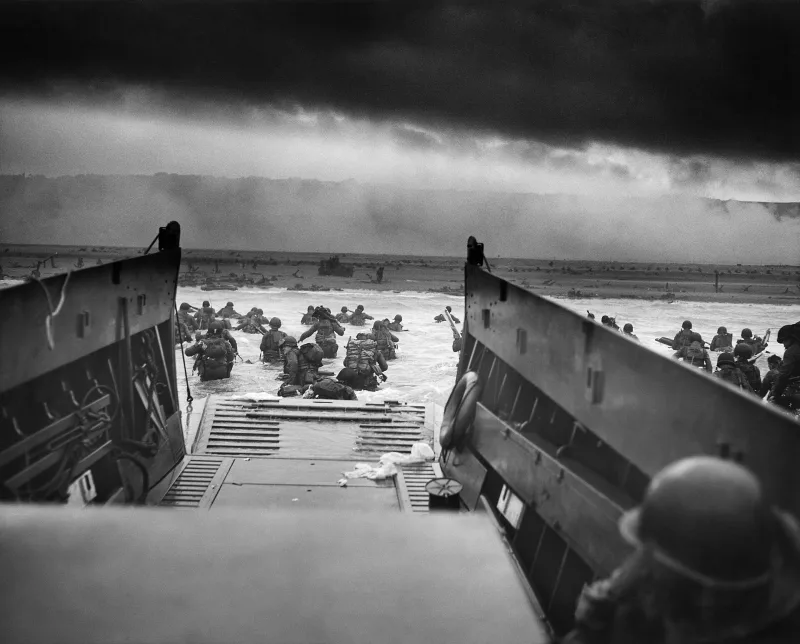
He received the Iron Cross from Germany in July 1944 and the MBE from Britain in November. Both countries decorated him for the same work. That is the type of this case in one line: when a deception succeeds, the other side still thinks it was right.
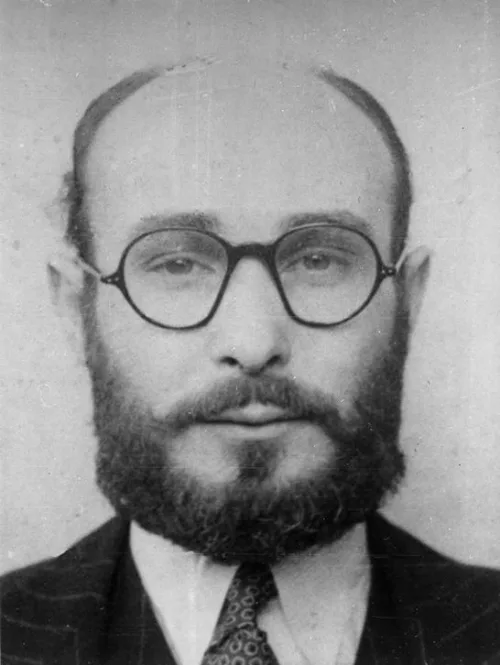
Juan Pujol García, codename GARBO, 1940s, from material released by the Security Service. Public Domain, via Wikimedia Commons
Appears in