Person
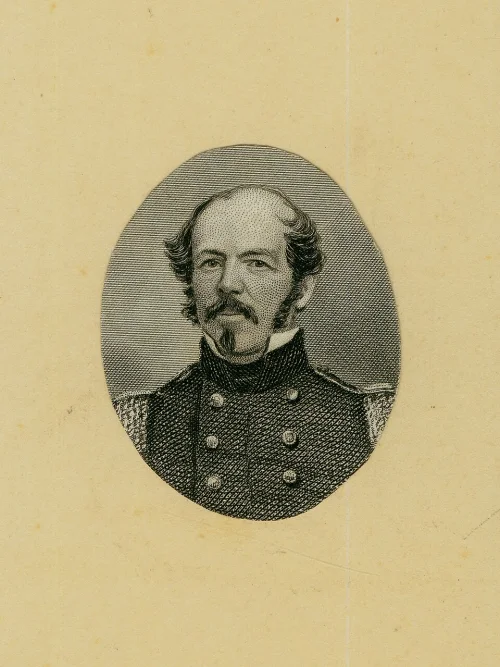
Joseph E. Johnston
Confederate commander, Department of the West
Life: 1807–1891
The general who could tell what could not be saved and keep his force instead — and was never credited for it.
A general who kept the order of priority: a town can be given up, an army cannot. He repeatedly told Pemberton to come out and join him, judged that his own force could not break the siege, and did not attempt a relief he could not deliver. Militarily sound; politically impossible, because Vicksburg was the proof that the Confederacy was holding. A correct military judgment and a correct political one do not always coincide.
Strategic signature — do not try to save what cannot be saved
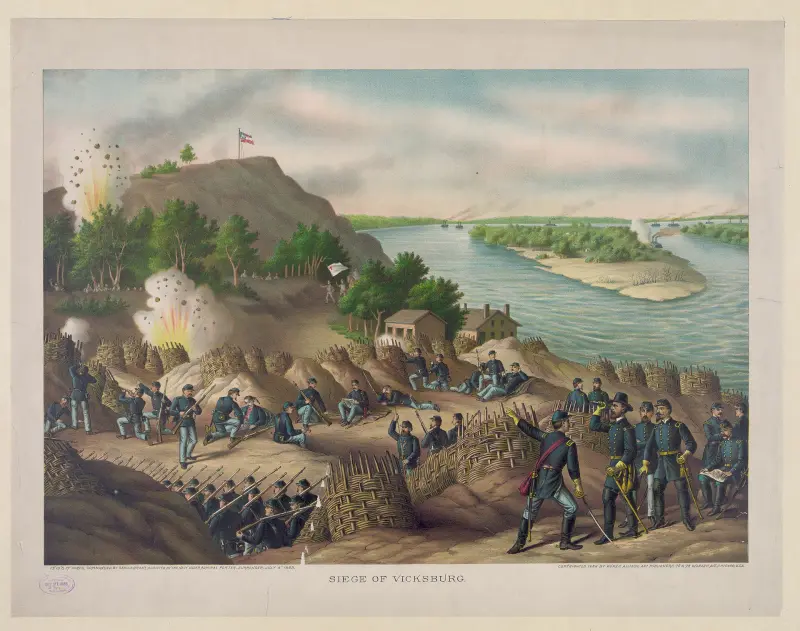
Johnston was consistent. A town can be given up; an army cannot. He repeatedly told Pemberton to come out and join him, judged that the force he had could not break the siege, and did not attempt a relief he could not deliver12.
Militarily that is sound. Politically, Vicksburg was the proof that the Confederacy was holding, and it was not a town that could be given up. A correct military judgment and a correct political one do not always coincide. He went on being removed from commands for his caution.
Recurring patterns
Keep the force, not the place
Ground can be retaken; a lost army does not come back. Few commanders keep that order of priority.
Do not attempt an impossible relief
Avoid the shape in which you lose yourself trying to save someone who cannot be saved. It looks cold; it is arithmetic.
Caution loses politically
A proposal to abandon a symbol does not carry, however correct. Cautious generals are rarely credited.
Strengths and limits
Can tell what cannot be saved and keep the force instead.
That judgment collides with the political necessity of the man above him. Being right is not enough to carry it.
Connection to Vicksburg
He and Pemberton never joined. But "never joined" means two different things for the two men. Johnston judged that he could not; Pemberton could not decide whether he was allowed to.
Civil War era photograph. Public Domain, via Wikimedia Commons
Appears in