Person
Lê Duẩn
First Secretary of the Vietnamese Workers' Party
Life: 1907–1986
The leader who bet on one general offensive, missed the judge he aimed at, and won through the one he did not.
From the mid-1960s he held the actual direction of North Vietnam's war. He consistently preferred settling the war with one general offensive rather than a long attrition, and drove the Tet plan of General Offensive, General Uprising. The plan stood on the premise that the population of the South would rise; it did not. He won anyway, because a judge he had not aimed at delivered the verdict.
Strategic signature — try to build the decisive moment in one blow
Hồ Chí Minh is usually pictured as directing the war, but from the mid-1960s the man who held the policy was First Secretary Lê Duẩn3. His consistent preference was not attrition over a long war but a single general offensive that would settle it.
Tet came out of that. Hit more than 100 towns across the country at once, and the South Vietnamese army would break, the population would rise, and the regime would fall — General Offensive, General Uprising. The plan stood on the premise that the population of South Vietnam would be the judge. That premise failed.
Recurring patterns
Try to settle it in one stroke
Rather than waiting out an attrition balance, bet on one general offensive. It can compress years — and when it misses, the loss arrives all at once too.
Secure party control first
Sceptical military voices (Giáp among them) were kept away from the planning before the decision was taken. Remove the dissent and you remove the people who would have checked the premise.
Build the political effect into the military operation
The objective was not ground but the collapse of a regime. The direction was right; the regime he expected to collapse was the wrong one.
Strengths and weaknesses
Can design a military operation for a political result.
Get the identity of who delivers that political result wrong, and the operation can land while the plan misses.
Can control an offensive that is large and simultaneous.
Betting it all at once leaves no reserve to rebuild with. The southern insurgency was effectively spent in this one operation.
Where the signature showed — Tet
77,000 men were committed, the intended uprising did not happen, and over 45,000 were lost. He won anyway — because a judge he had not aimed at returned the verdict.
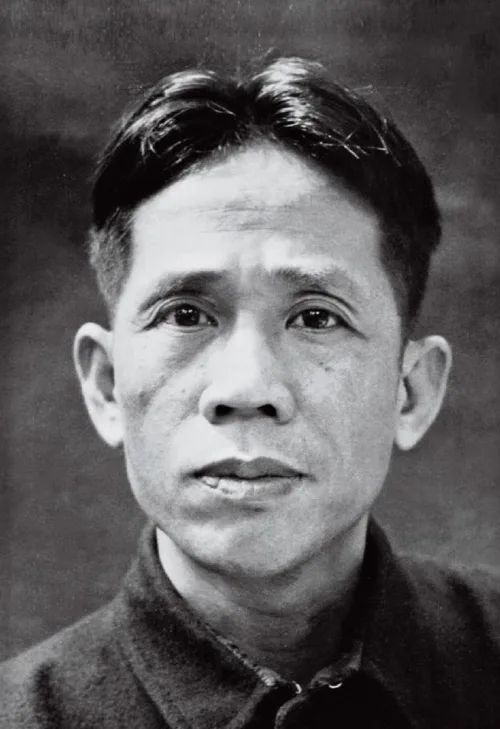
Lê Duẩn, 1951. Public Domain, via Wikimedia Commons
Appears in